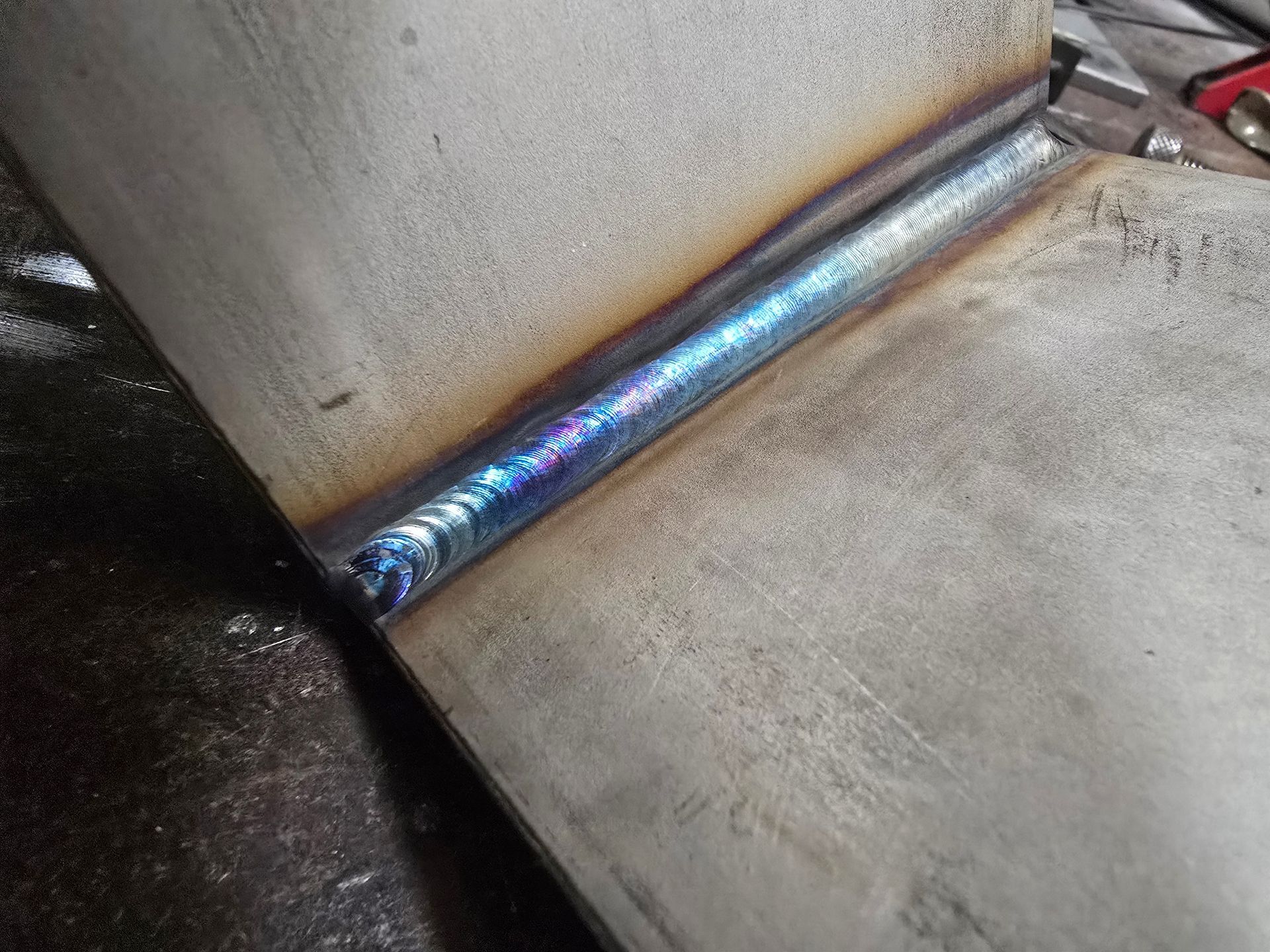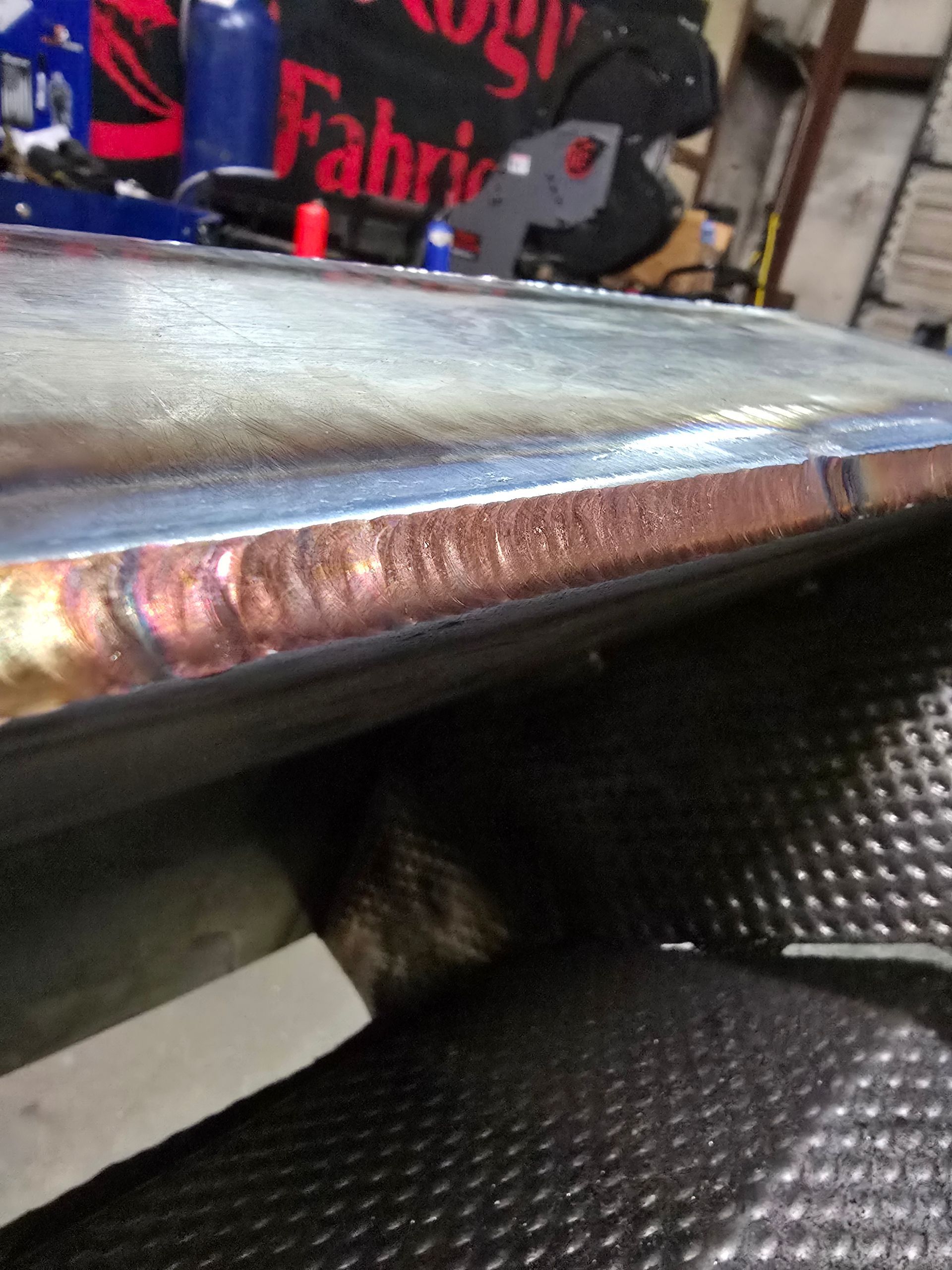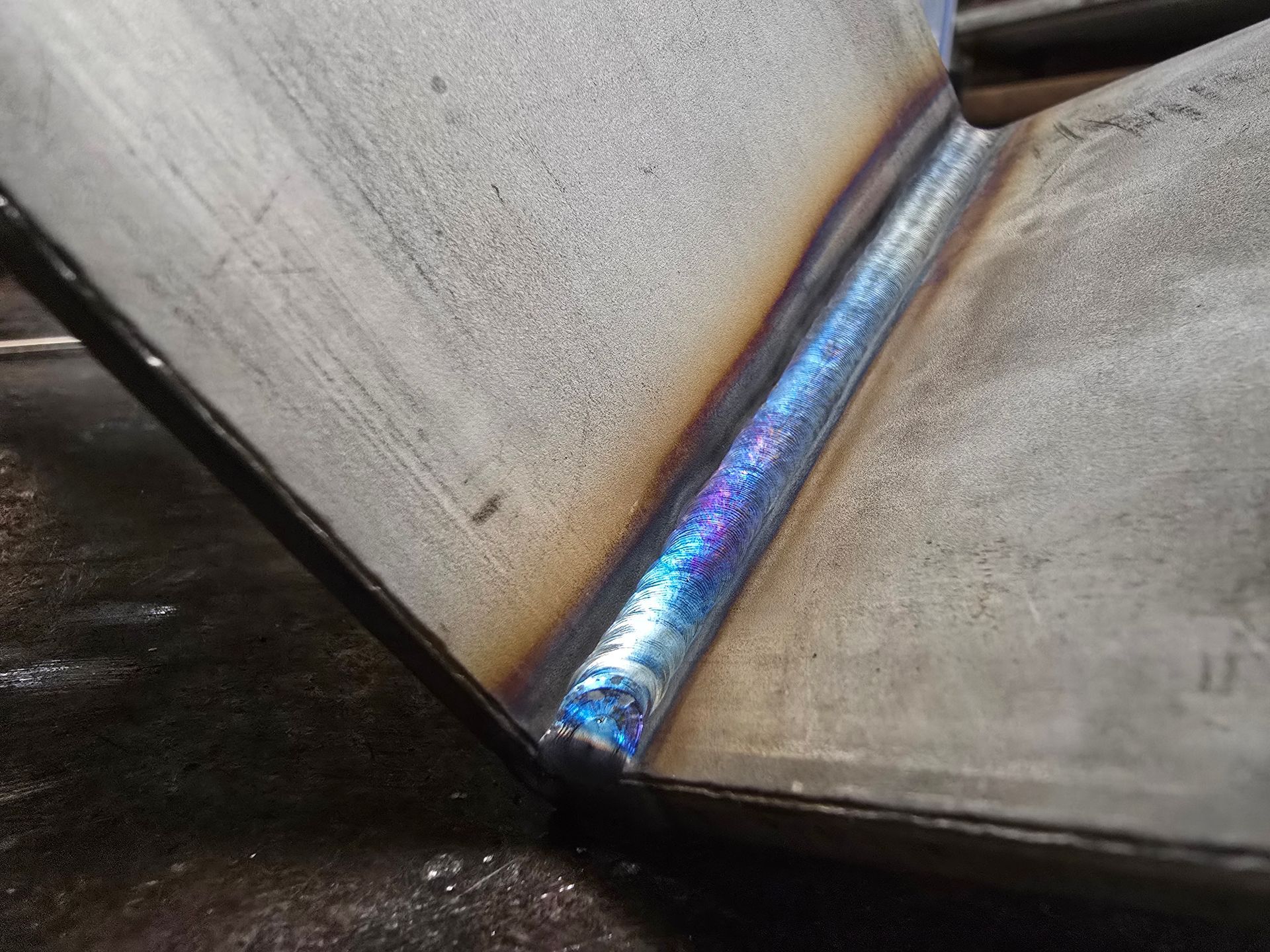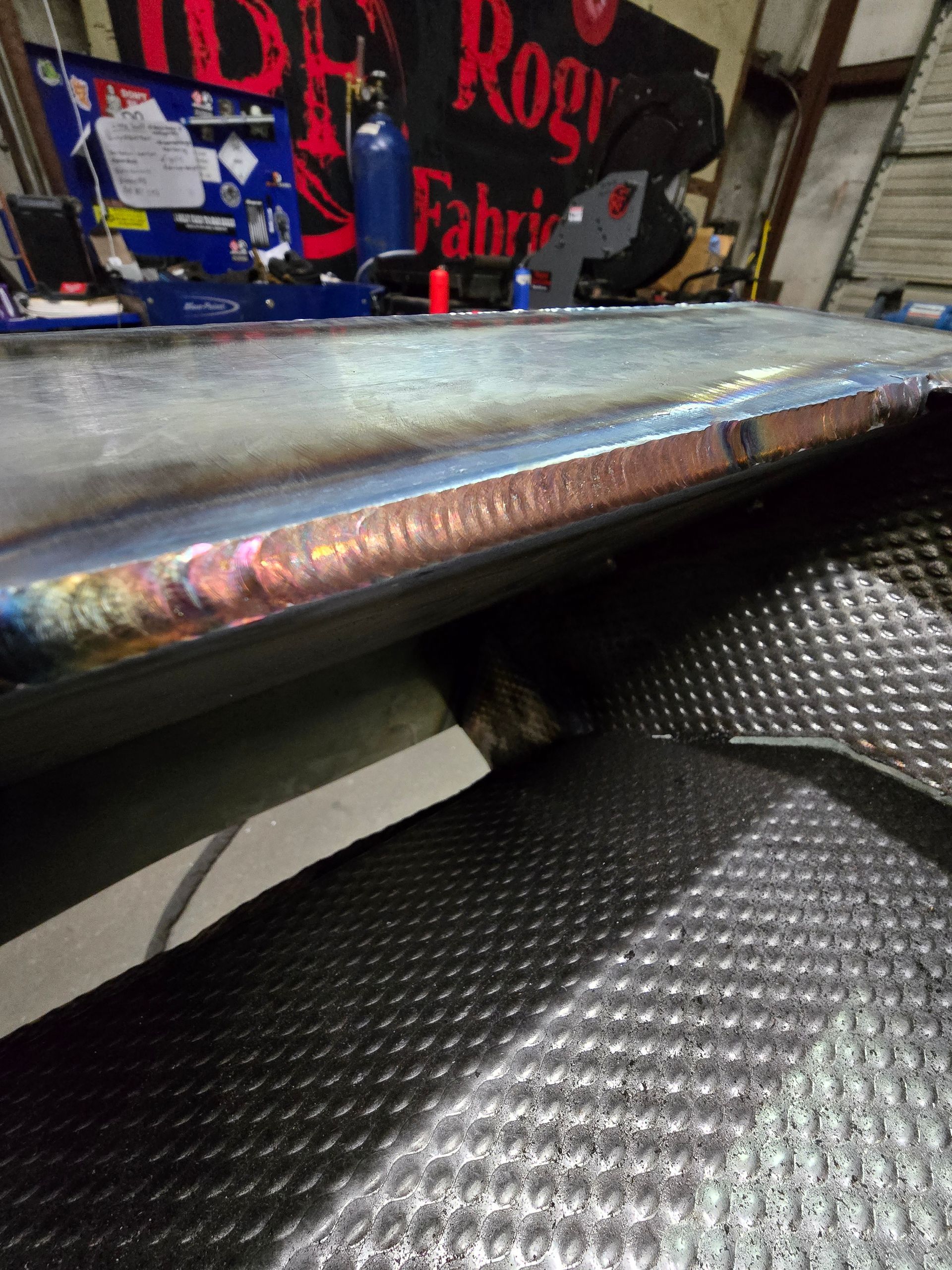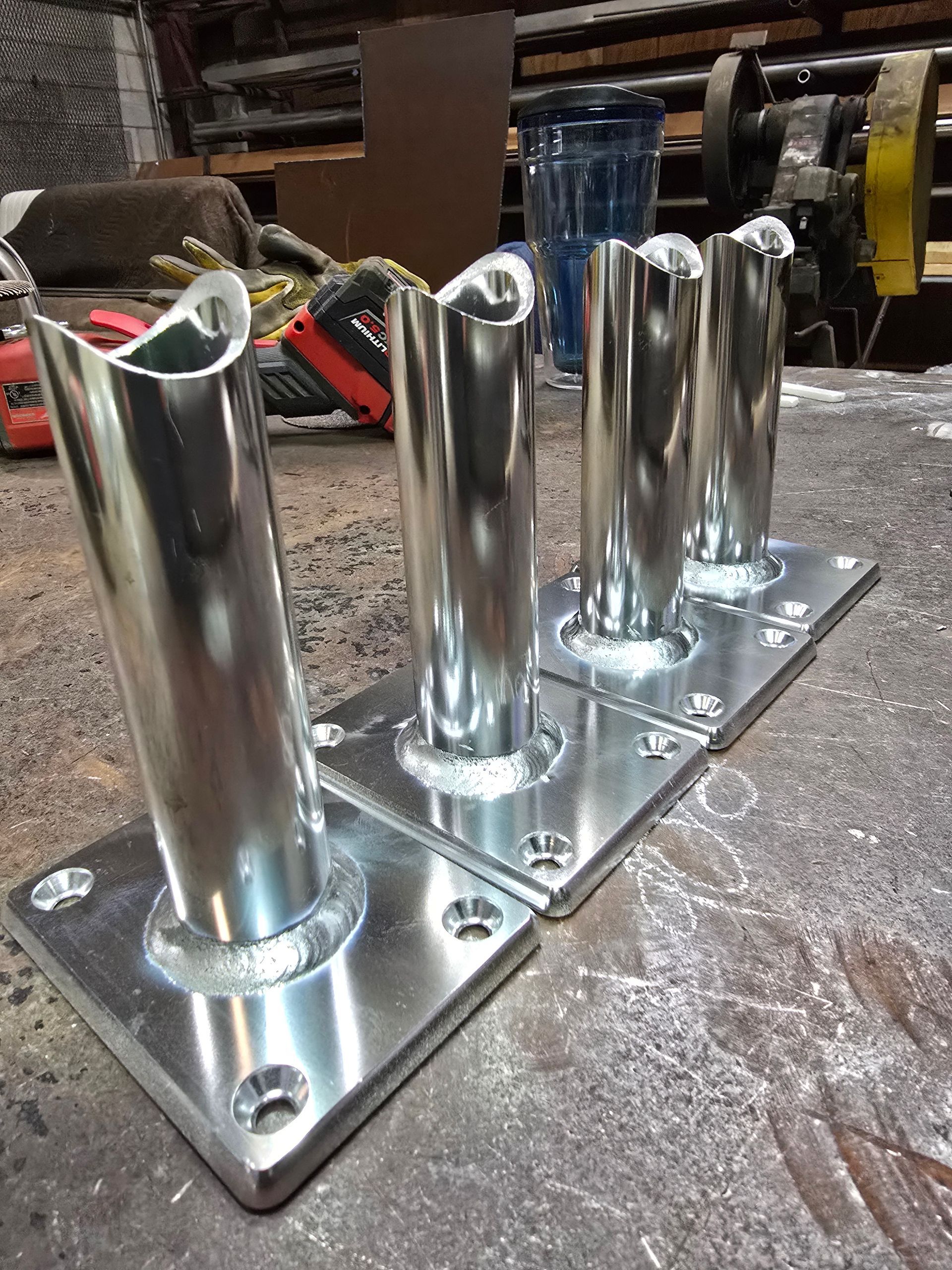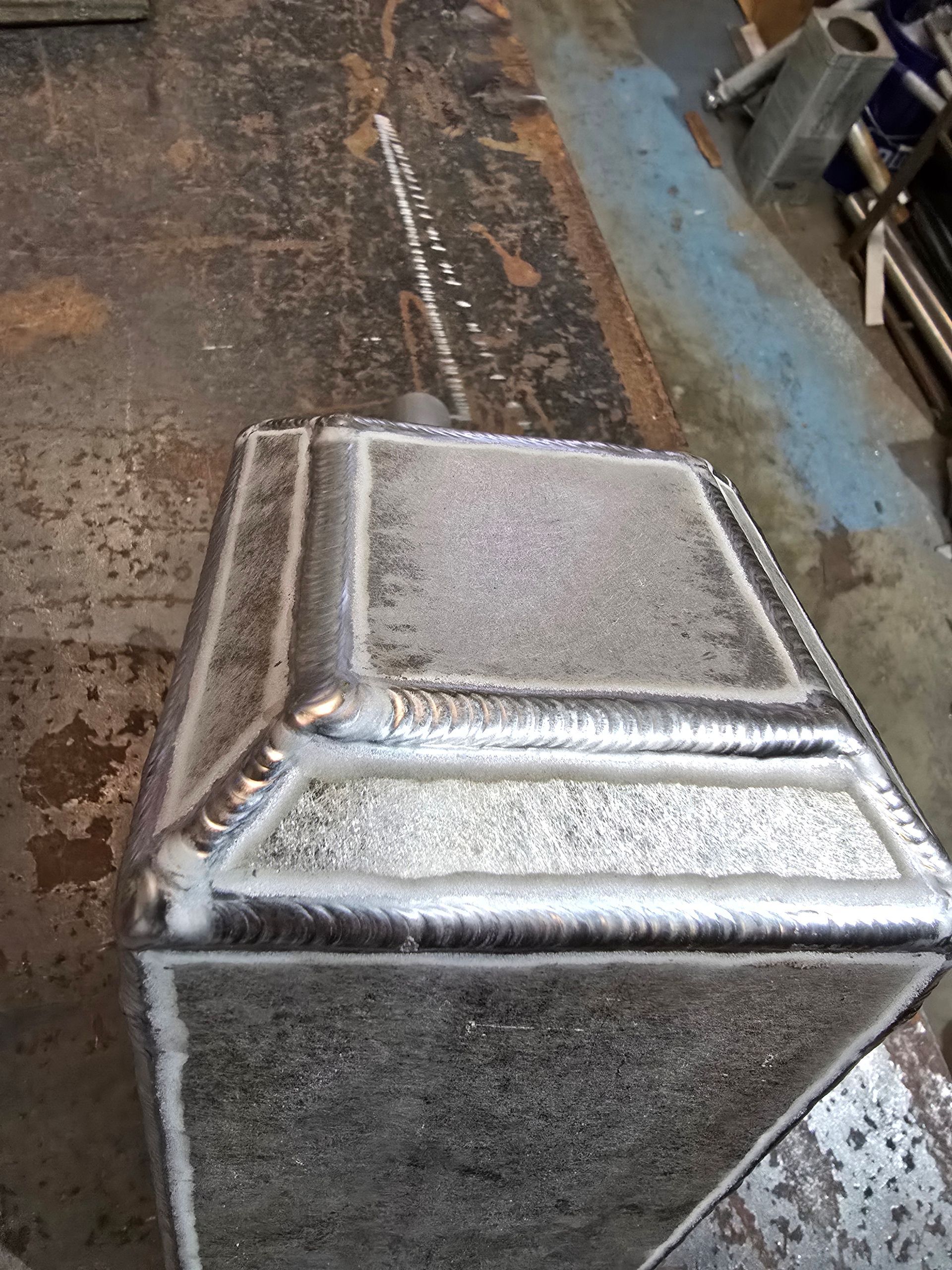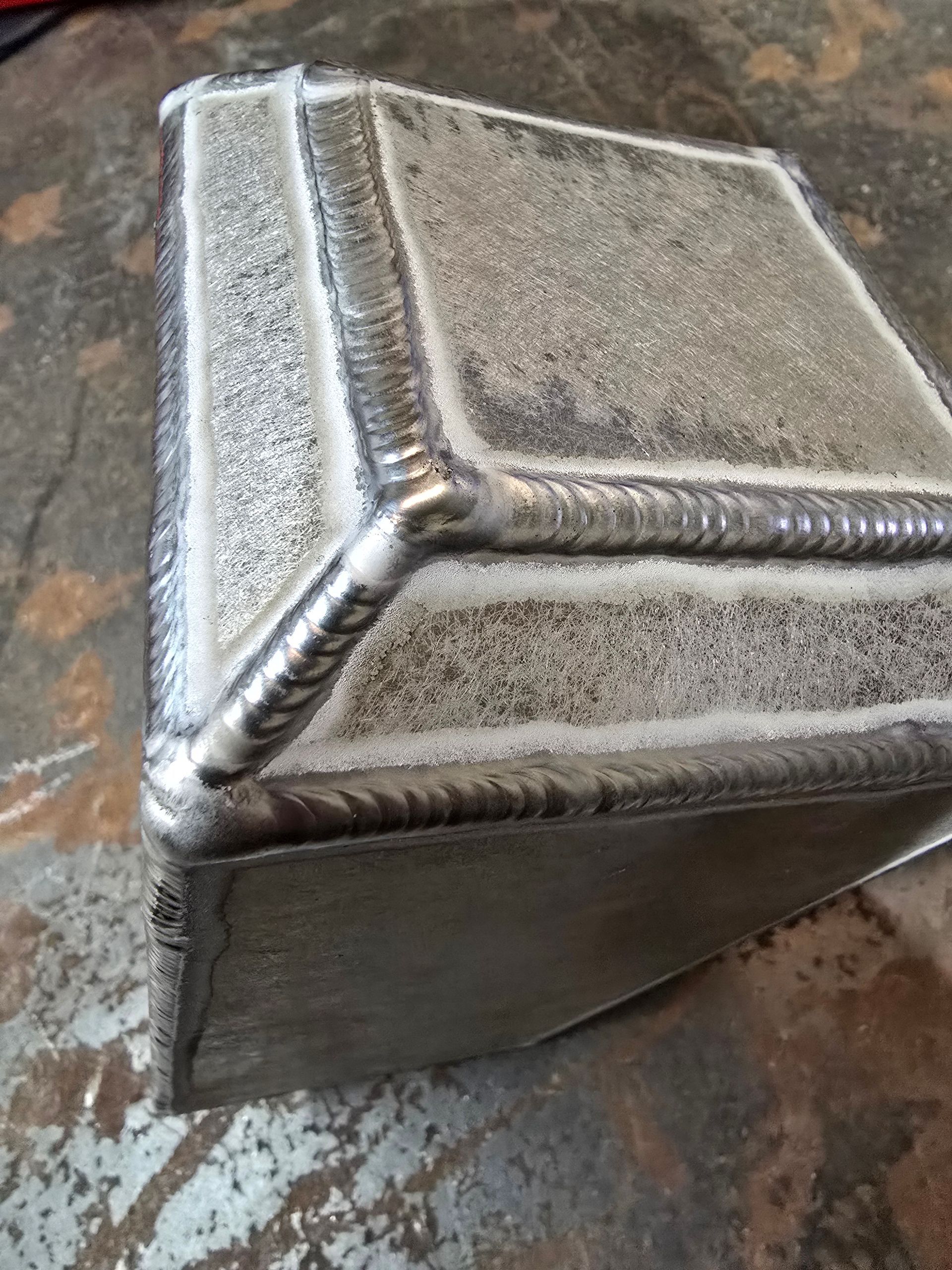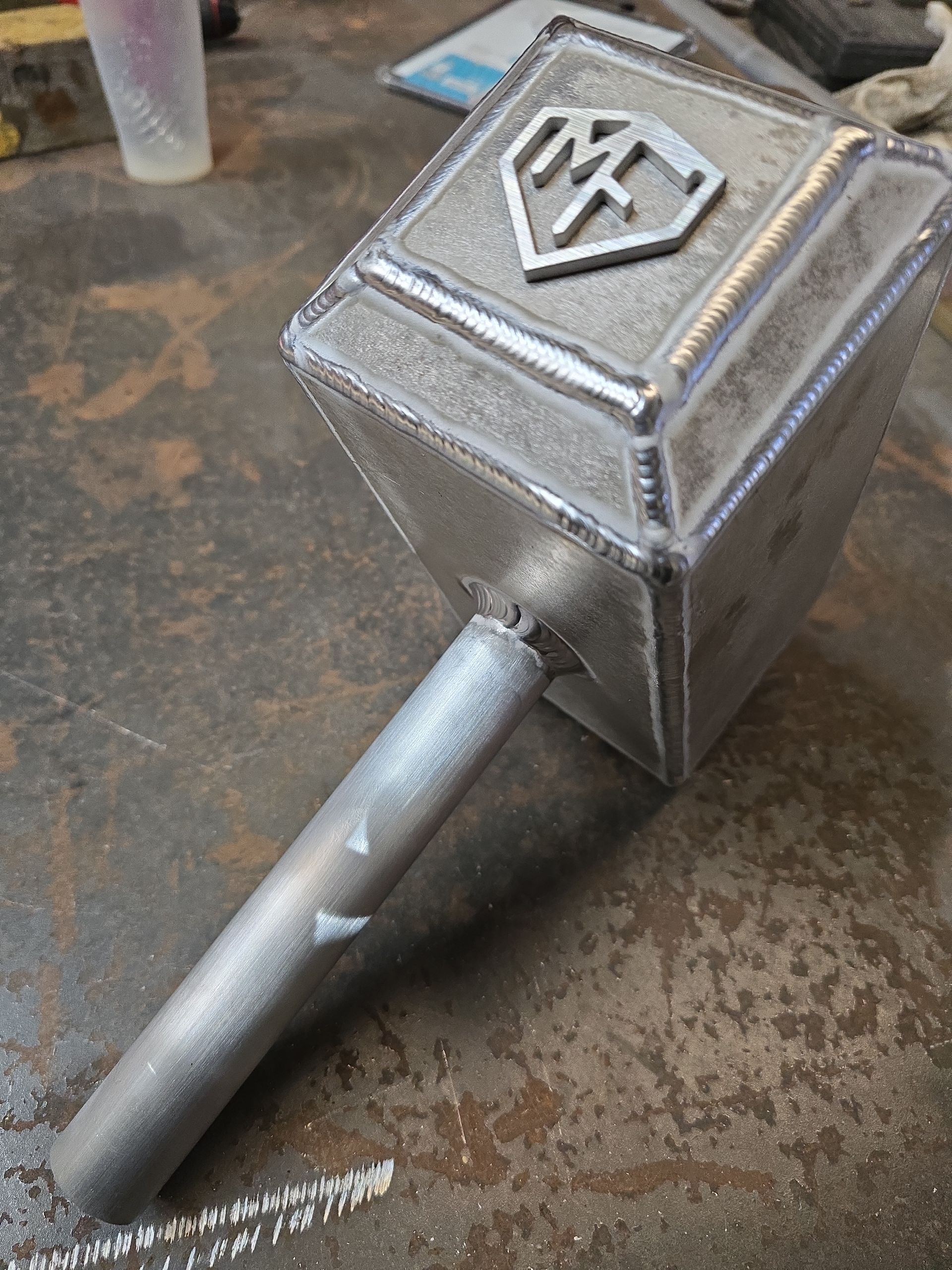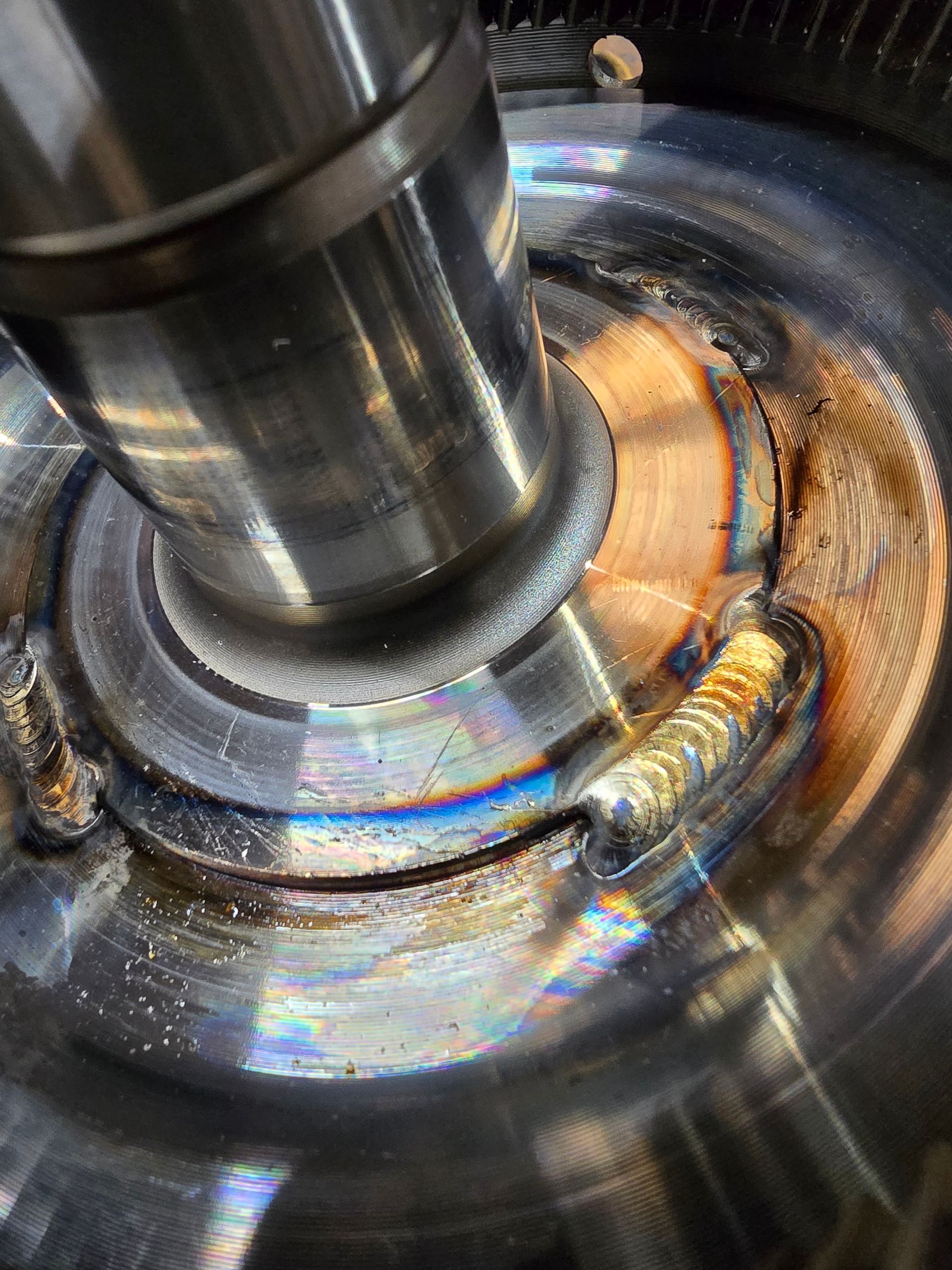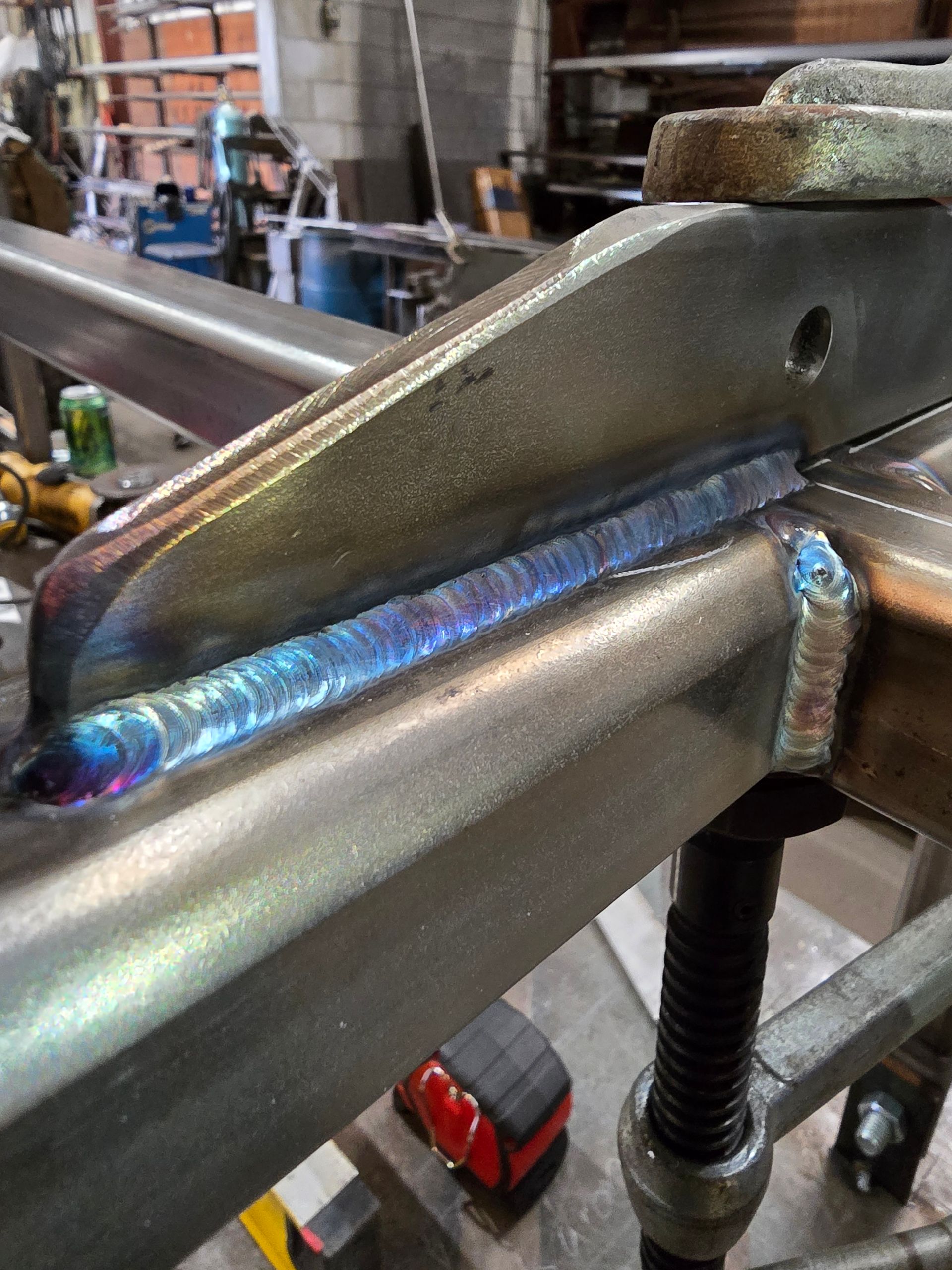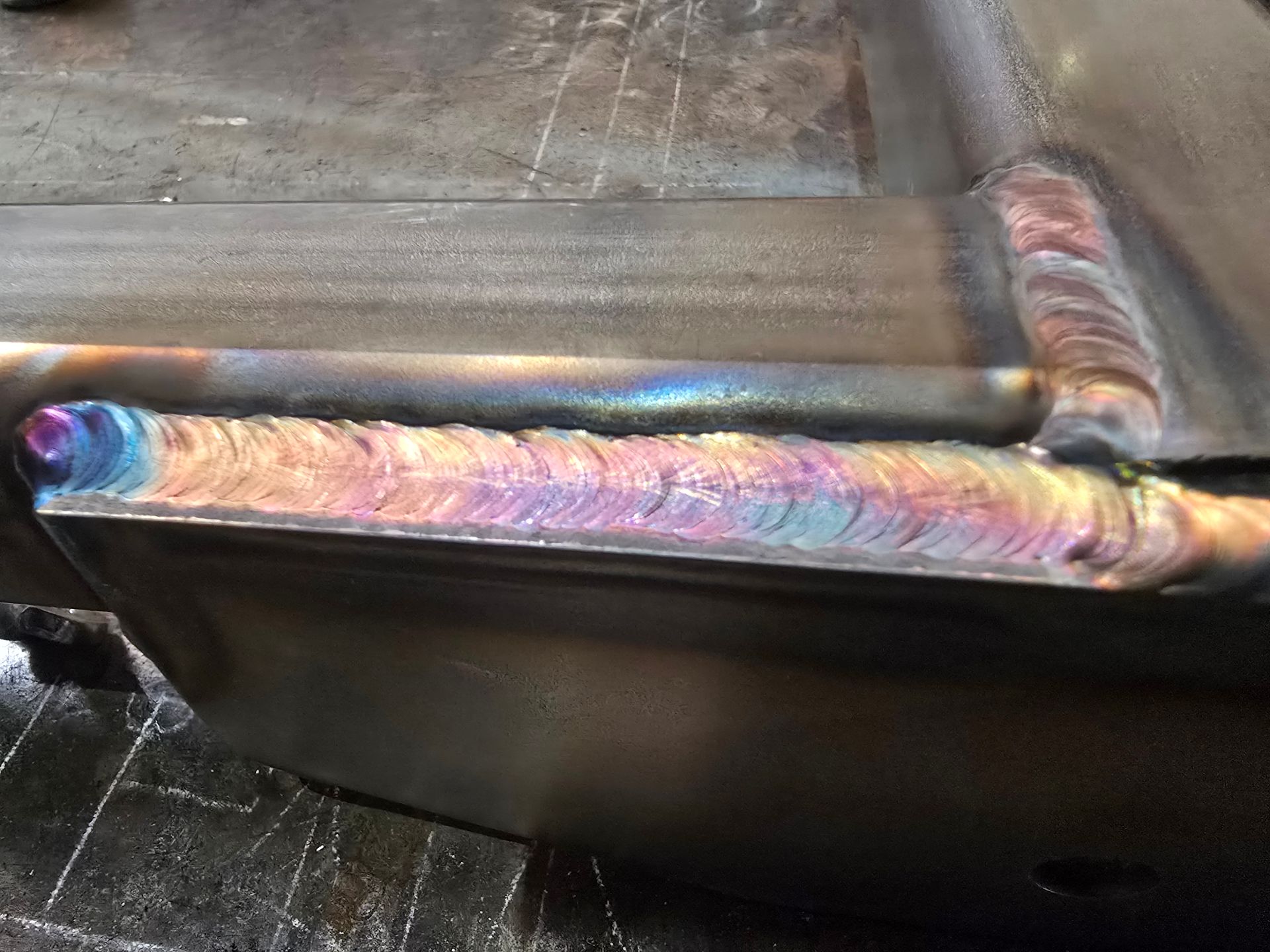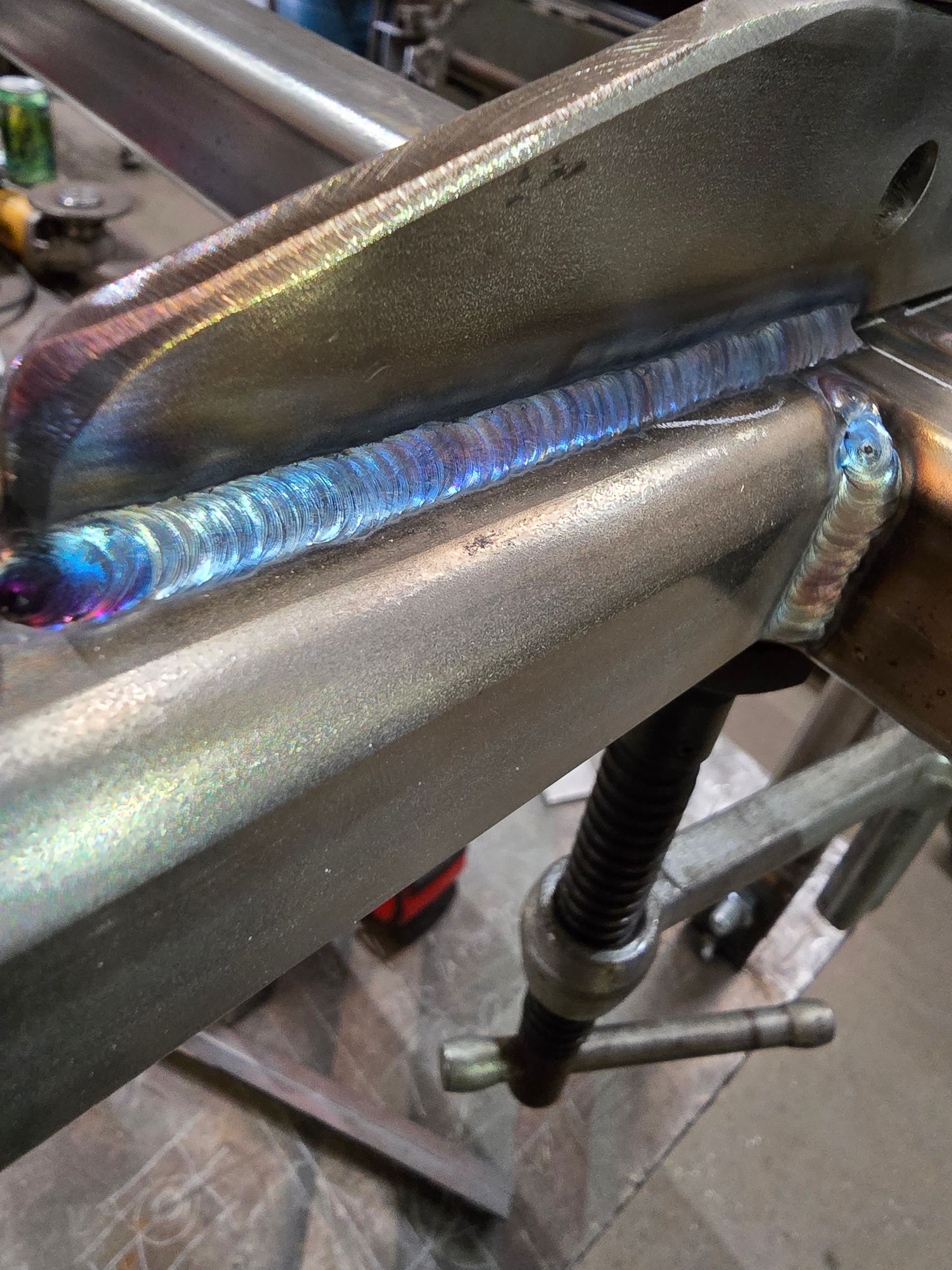
Aluminum Boat Welding and Repair in Virginia Beach, Virginia
Restoring Strength to Towers, Rails, and Existing Welds
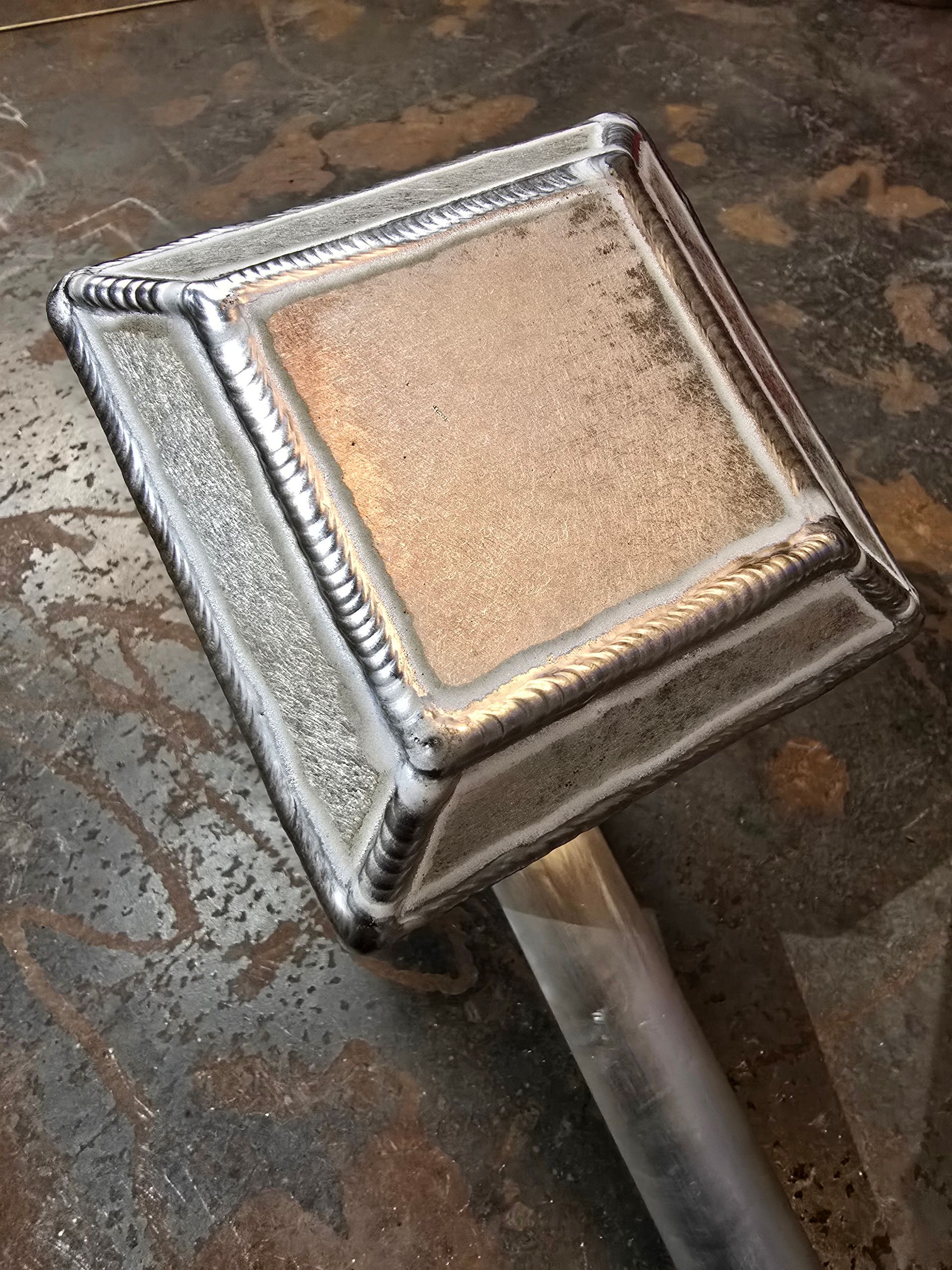
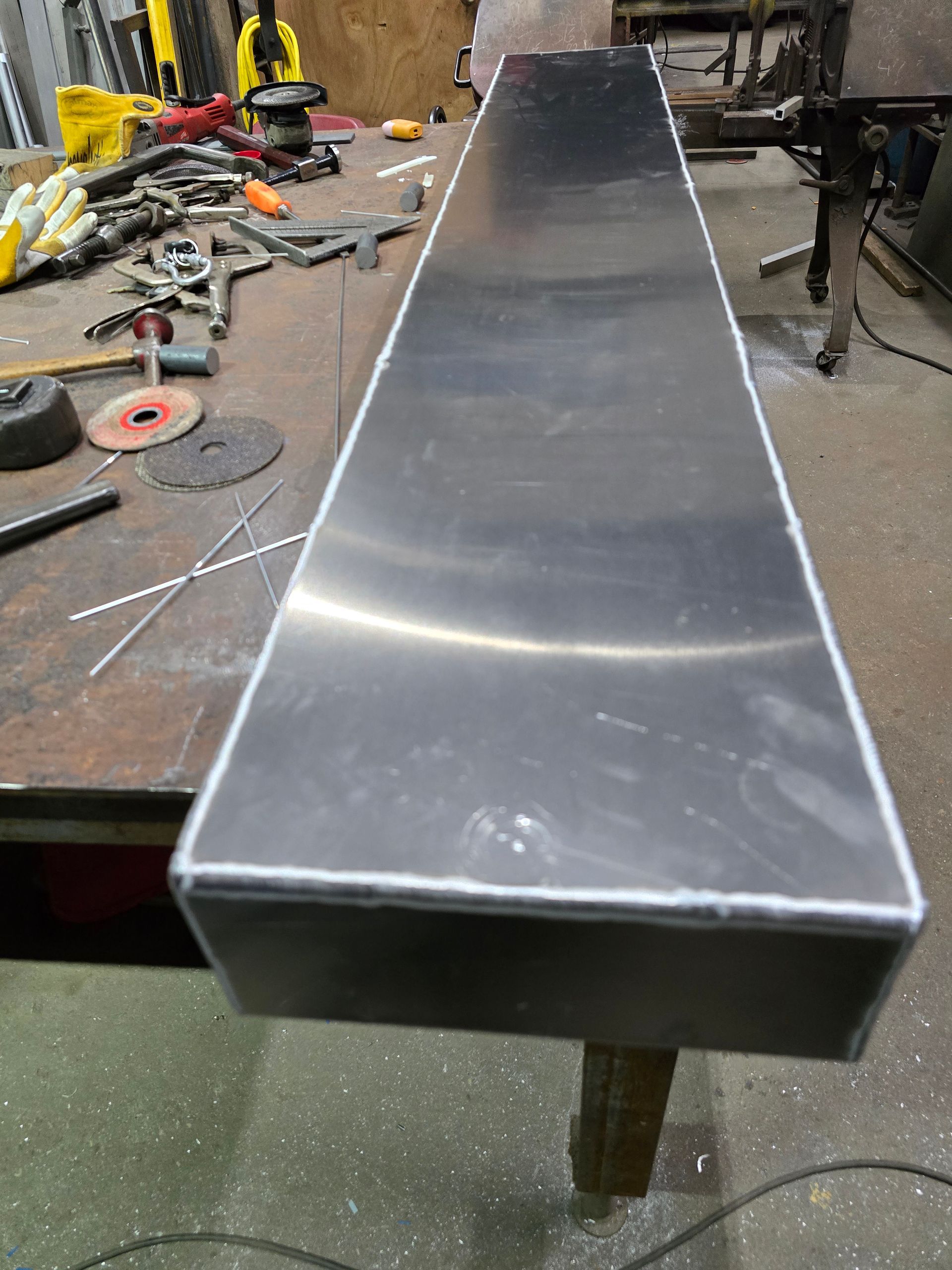
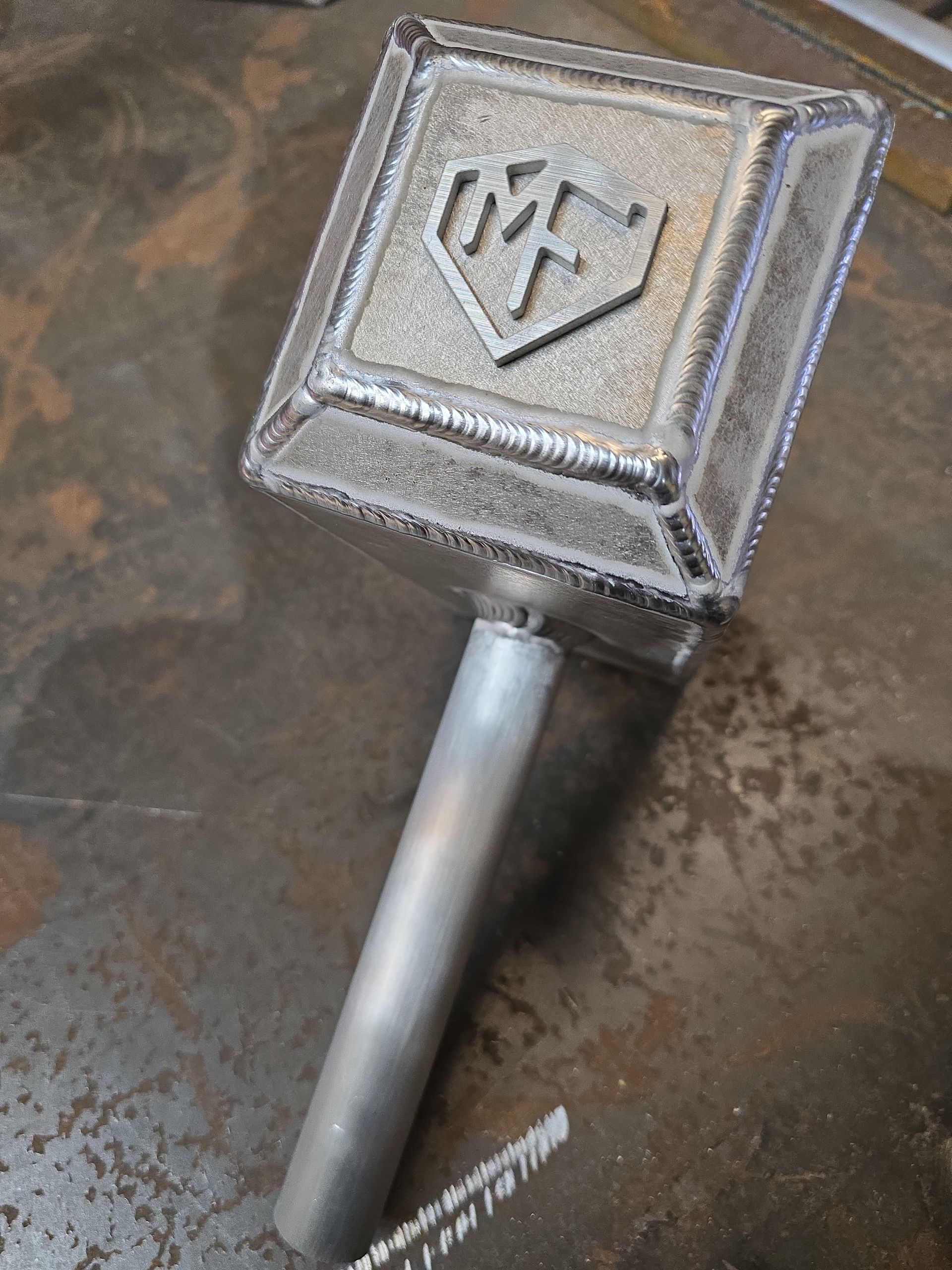
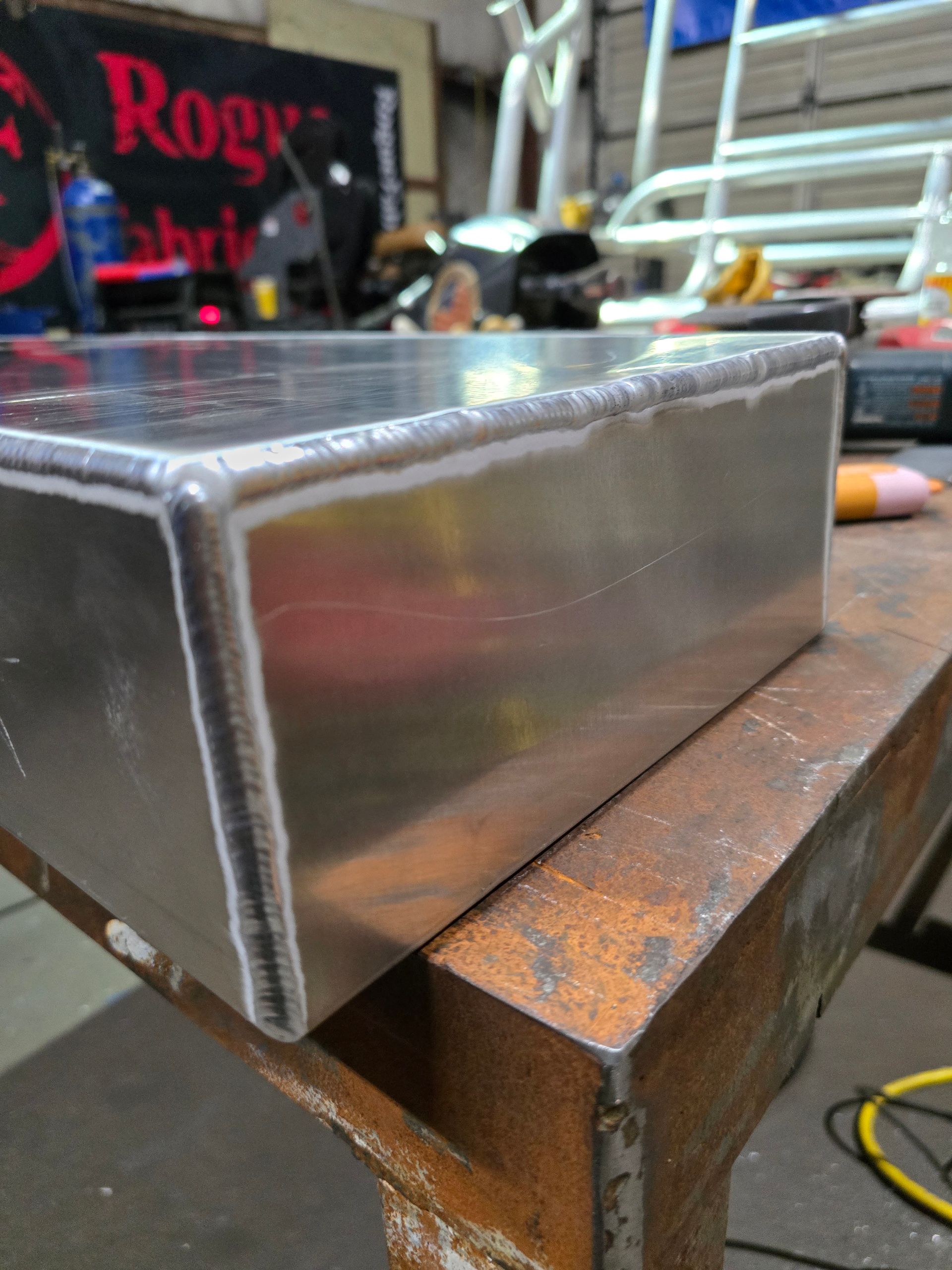
A tower leg that flexes at the base, a rail that moves under your hand, and a weld that never looked right from the day it went in are different symptoms of the same problem. This page covers aluminum boat welding and repair from Marine Fabrication, focused on towers, railings, and existing welds already on the boat rather than full hull or transom work, serving owners running out of Virginia Beach, Virginia and nearby Newport News and Williamsburg.
Our 6G-TIG certified welders bring 20+ years of marine specific experience to every diagnosis, tracing a crack or a failed joint back to its actual cause before any metal gets cut. Staying owner operated means you get a straight assessment instead of a guess, along with a quick estimate. Send photos of the damage through our contact page and we will walk you through exactly what the repair actually involves before any work begins.
Aluminum Repair Work We Take On
Fishing Tower Frame and Leg Repair
Cracked legs and loose base plates on a fishing tower rarely wait for good weather. We cut back damaged sections of the frame, reweld with matched aluminum filler, and reinforce mounting points so the tower carries load properly again.
Railing and Handrail Rewelding
Grab rails and bow rails loosen at the base long before anyone notices the wobble. We reweld failed joints in polished stainless or aluminum, add backing where the original mount was too thin, and return a rail people can actually trust.
Aluminum T-Top Frame Repair
An existing T-top frame that flexes, rattles, or has a crack near a weld does not always need full replacement. We inspect the tubing, cut out compromised sections, and reweld the frame so it sits square and quiet at speed again.
Ladder and Boarding Step Repair
Boarding ladders and swim step frames take repeated shock loading every time someone climbs back aboard. We rebuild cracked steps, reweld loose hinges, and reinforce mounting points so the ladder holds steady under real weight, not just at the dock.
Diagnosing and Rewelding Failed Joints
Not every failed weld came from Marine Fabrication originally, and that is fine. We examine the joint for porosity, undercut, and contamination, then reweld it correctly with the filler and heat input the original repair should have used the first time.
Corrosion and Pitting Repair on Structural Aluminum
Pitted aluminum on a tower leg or rail is thinner than it looks, and paint over it only hides the problem. We remove the affected metal down to sound material, replace what is lost, and finish the repair so corrosion does not return next season.
How We Decide Between Repair and Rebuild
Assessing How Far the Damage Has Spread
A crack rarely stays where it started, so the first step is tracing how far it runs and whether it has reached surrounding material. That inspection decides whether a targeted repair is enough or whether a larger section needs cutting out.
Checking Whether the Original Design Held Up
Sometimes a joint fails because the original build never had enough backing or the wrong filler was used. When that is the case, repairing it the same way just guarantees the same crack shows up again in another season or two.
Weighing a Repair Against a Full Rebuild
Age, extent of corrosion, and how many times a section has already been patched all factor into an honest recommendation. A repair makes sense when the surrounding structure is sound, and rebuilding makes more sense when it clearly is not.
Testing the Repair Under Real Load
A rewelded joint gets checked and flexed before we call the job finished, not just eyeballed for a clean bead. That step catches a weak repair in the shop instead of leaving you to find out about it on the water.
Looking at the Condition of the Rest of the Frame
Repairing one cracked joint on a frame that is corroded everywhere else is a short term fix at best. We look at the whole structure, not just the failure point, so you are not paying for the same repair again next year.
Giving You a Straight Answer Either Way
You get a plain explanation of what failed, why it failed, and what fixing it properly involves, whether that answer is a same day repair or a longer conversation about rebuilding. Marine Fabrication would rather tell you the truth than sell you a patch.
Repairs That Hold When It Matters Most
A boat only feels as solid as its weakest weld, and that weak point usually sits somewhere you touch it every trip out, a rail, a ladder, a tower leg. Marine Fabrication specializes in aluminum boat welding and repair for the structures that already carry your weight and your gear, correcting failed joints instead of starting over from raw material whenever the underlying frame is still sound. If something on your boat has been flexing, cracking, or simply looking a little tired around the welds, it is worth having assessed before the next trip rather than after something finally lets go. Send photos of the damage through our contact page and we will tell you plainly what the repair involves.
Frequently Asked Questions
Can a cracked tower leg be repaired instead of replaced?
Often, yes. If the crack has not spread into surrounding material and the rest of the frame is structurally sound, cutting out the damaged section and rewelding it with matched filler restores strength without the cost of building an entirely new tower.
How can I tell if a weld on my boat failed structurally rather than just cosmetically?
Look closely at the bead for cracking, pinholes, or a lumpy uneven profile, and check whether the surrounding metal has started to flex. A weld that looks rough but holds tight under pressure is a different problem than one that has actually separated.
What usually causes welds on aluminum boat structures to crack over time?
Constant vibration, repeated flexing under load, and joints that were never given enough backing in the original build all contribute. Salt corrosion around the weld toe speeds the process further, which is why cracks tend to reappear at the same spots.
Can pitted or corroded aluminum railings be repaired rather than replaced entirely?
Surface pitting on an otherwise sound rail usually responds well to cutting back the affected metal and rewelding a clean section in. Marine Fabrication handles this kind of repair regularly for owners docked around Virginia Beach, Virginia and the surrounding coastline.
Is it safe to reweld a boarding ladder or a step that has cracked?
Yes, provided the crack is caught before it spreads and the surrounding metal is still sound. Rewelding a step involves cutting back to clean material and reinforcing the mounting point, which usually restores the ladder to its original strength.
How long does repairing a tower or railing typically take compared to a full rebuild?
Straightforward joint repairs often finish within a few days, while more involved frame sections can take a week or two depending on access and material availability. A full rebuild almost always takes longer, which is exactly why repair gets considered first.
Will a repaired aluminum weld be as strong as the original structure?
Done correctly, a repaired joint should match or exceed the strength of the original, since the repair also corrects whatever weakness allowed the crack to form in the first place. That is the difference between patching a problem and actually solving it.
Do you repair aluminum welding work that another shop originally completed?
Regularly. We assess the earlier weld honestly, and where the filler, heat input, or preparation was wrong the first time, that section gets cut out and redone properly. Marine Fabrication has been correcting other shops' aluminum work around Virginia Beach, Virginia for 20+ years.